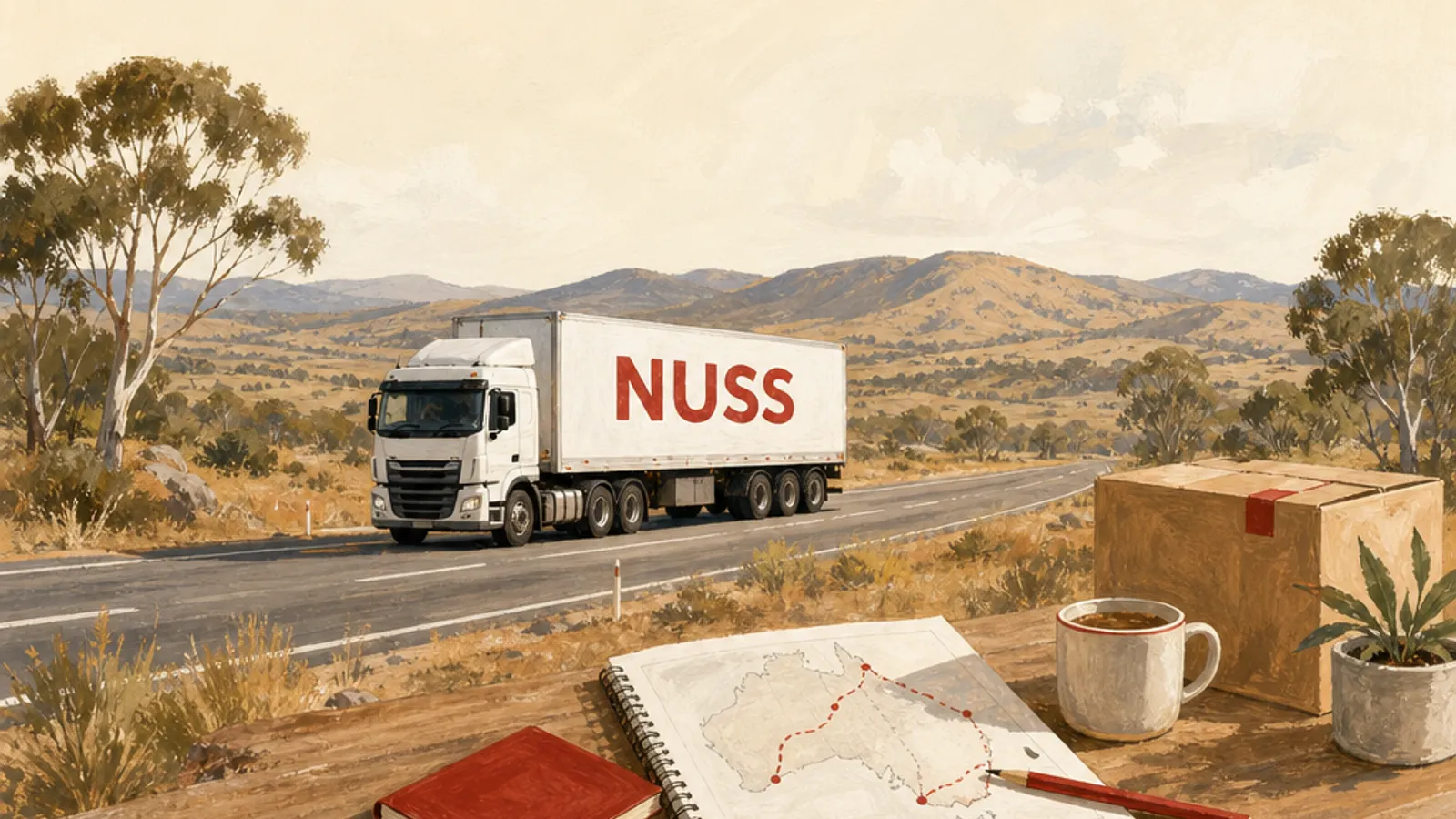
Interstate moves are usually priced on volume and route, and delivered within a window rather than on a fixed hour. Ask whether your goods travel on a dedicated truck, in a shared load or in a container, because this affects timing and cost. Plan for a gap between pickup and delivery, confirm insurance terms in writing, and update licence, registration and service providers in your new state.
How interstate removals usually work
Interstate moves generally take one of three forms. A dedicated truck carries only your goods directly to the destination. A shared or backload service combines several households on one truck, which can cost less but typically has a wider delivery window. Containerised moves load your goods into a sealed container that is transported by road or rail.
Each option trades cost against timing and handling. Ask which method the quote assumes, and whether your goods will be transferred between vehicles or depots along the way.
- Dedicated: most direct, usually the highest cost.
- Shared load: lower cost, wider delivery window.
- Container: sealed, often good for storage at either end.
Timing and delivery windows
Interstate deliveries are normally given as a window rather than a set time, because route conditions, driver hours rules and other loads affect arrival. Sydney to Canberra is a short run; Sydney to Perth crosses the continent. Ask what the window is for your route and how you will be contacted before arrival.
If your new home will not be ready, storage at origin or destination can bridge the gap. Discuss this at quote stage rather than after the truck leaves.
Planning for the gap between pickup and delivery
Most families experience at least a few days without their furniture. Pack a suitcase as though you are travelling: clothes, toiletries, chargers, work equipment, documents and any medications. If you are driving, the car can carry bedding, a few kitchen basics and children's comfort items.
If you are flying, consider sending a small number of boxes ahead by post or courier so you are not waiting on the truck for essentials.
- Pack a travel suitcase for each person.
- Book short-stay accommodation if needed.
- Keep school records and medical documents with you.
Vehicles, pets and restricted items
Car transport is often arranged separately from household goods. Check whether the vehicle should be emptied of personal items and how much fuel is permitted. Pet transport by air requires an approved carrier crate and advance booking; road travel with pets needs rest stops and pet-friendly accommodation.
Removalists generally cannot carry dangerous goods: petrol, gas bottles, paint, aerosols, pool chemicals, ammunition and some batteries. Plan to use, give away or dispose of these before move day.
Check plants, produce and outdoor equipment before crossing borders
State and regional biosecurity restrictions can apply to plants, soil, fruit, vegetables and other goods even when the move stays within Australia. Check the current rules for the destination and any areas on the actual route before deciding what to pack. Do not assume an item accepted on a local move can travel interstate.
List garden equipment, outdoor furniture and plant-related items during the survey. Ask what cleaning, declaration or separate arrangements are needed and who will confirm acceptance. Use the Australian Interstate Quarantine guidance and the relevant destination authority rather than relying on an old moving checklist.
Insurance and quote exclusions for long-distance moves
Longer journeys mean more handling and more time on the road, which is why transit insurance deserves close reading for interstate moves. Ask whether cover includes owner-packed items, storage periods, and damage discovered after unpacking. Common exclusions include mechanical or electrical breakdown, wear and tear, mould from items packed damp, and valuables not separately declared.
Quote exclusions for interstate moves can include access at the destination that differs from what was described, extra stops, storage handling charges, waiting time and redelivery if no one is home. Ask for these to be stated clearly.
- Read the full policy wording before accepting.
- Declare high-value items individually.
- Ensure everything is dry before packing.
- Confirm who to contact at the destination if issues arise.
State admin: licences, registration and services
Each state and territory has its own rules and timeframes for transferring a driver licence and vehicle registration after you move. Check the transport authority in your destination state soon after arrival.
Update your address with Medicare, the Australian Taxation Office, the Australian Electoral Commission, your bank, insurers and employer. Schools, GPs and specialists may need records transferred.
Arriving and unpacking
Be at the destination, or have a nominated person there, during the delivery window. Check items against the inventory as they come off the truck and record any visible damage before signing.
Unpack fragile items first so any damage can be reported within the policy timeframe. Then work room by room, starting with beds and the kitchen.
Interstate move planning checklist
- Confirm whether the move is dedicated, shared load or containerised
- Ask for the expected delivery window in writing
- Plan accommodation and essentials for the gap between pickup and delivery
- Arrange car transport or plan the drive separately
- Check transit insurance terms for long-distance moves
- Book lifts and parking at the destination
- Research licence and registration transfer rules in your new state
- Transfer health, school and utility accounts
- Do not pack restricted items (flammables, gas bottles, ammunition)
Official sources
Rules and requirements change and vary by destination. Always confirm current details with the relevant authority.